
走向共和
Watch Video: James Cameron Wants to Shoot Second Unit Scenes for SS Rajamouli’s Varanasi_我的网站

A |
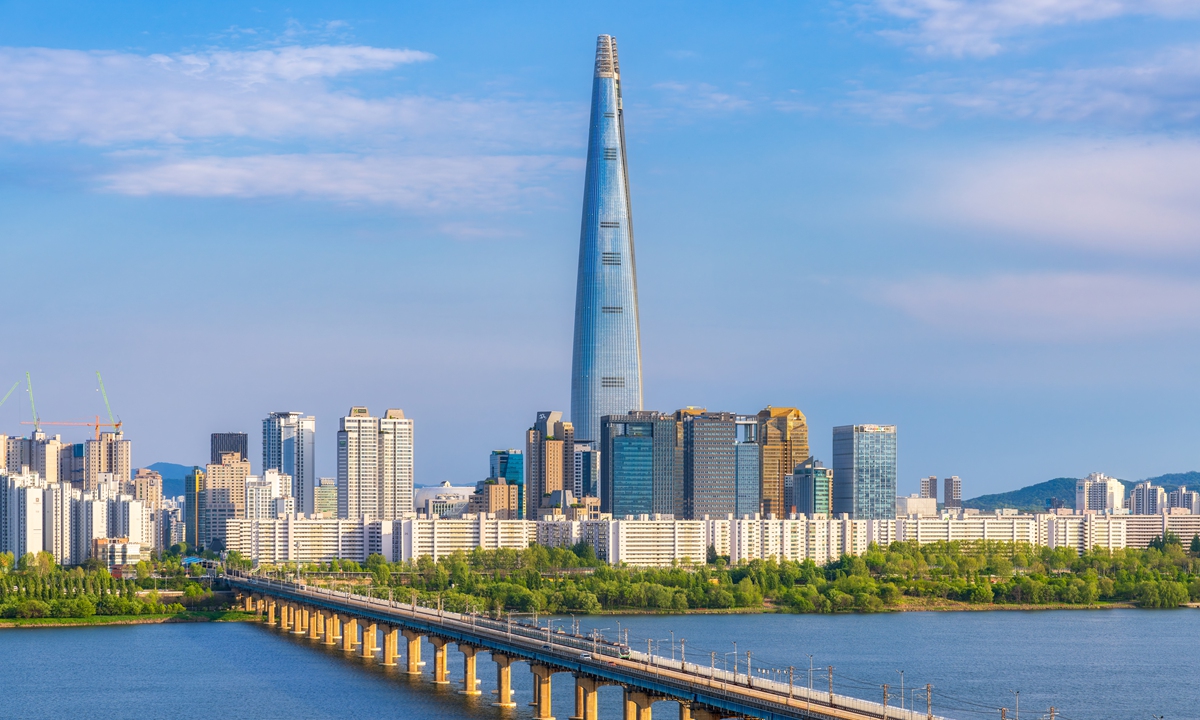
South Korea is grappling with scorching heat waves this summer, with temperatures soaring above 40 C in its capital city of Seoul for the first time since 2018. The extreme weather has dominated newspaper headlines lately, which has wreaked havoc on the people's health and agricultural production there.
For instance, with mass die-offs at the country's fish farms and catches declining, seafood prices are trending higher, according to South Korean media reports. Meanwhile, South Korean consumers' demand for cooling products is surging.
Against this backdrop, the unique strengths of China-South Korea economic and trade cooperation - characterized by flexible responses and regional short-chain supply arrangements - have been fully demonstrated.
Unlike countries in Europe and elsewhere in the West, or regions that rely on long-distance transportation, China and South Korea share geographical proximity and mature cross-border logistics system. Built through years of in-depth industrial collaboration, their circulation network drastically shortens supply chain routes and turnover cycles, delivering vital response in time of need.
Since the onset of the summer heat waves, a diverse array of Chinese-made goods - frozen beverages, portable handheld fans, pet cooling accessories and others - has flowed to the South Korean market. The rapid replenishment has provided relief to South Koreans grappling with soaring temperatures.
The "cool" trade that has blossomed between the two countries is fundamentally a story of mutual benefit and complementary strengths. While Chinese cooling supplies enter the South Korean market, Chinese consumers' demand for South Korean summer cosmetics and personal care products is heating up too. These two seemingly separate trade flows essentially reflect the deep-seated trade complementarity between the two neighbors.
Since the beginning of summer, "cool-feeling" cosmetics have become a shopping hit among Chinese consumers. Many South Korean products, featuring lightweight textures, durability and sweat-proof performance, have won growing market popularity.
The two-way trade flow is rooted in the alignment of the two countries' industrial structures and consumer needs, allowing both consumers to access what they require in the trade of "cool products" and achieve mutually beneficial outcomes.
The structural underpinnings of this synergy run deep. China's strength in agricultural production, cold‑chain infrastructure, and large‑scale manufacturing complements South Korea's prowess in beauty product research and development, good quality control and sophisticated brand operation. Most importantly, their geographical proximity allows such industrial complementarity to flourish.
From a broader perspective, global climate change seems to continue interfering with economic life in increasingly unpredictable ways. Caught in this dual pressure of escalating climate shock and global industrial restructuring, the significance of regional economic cooperation is being redefined. It is no longer limited to expanding market access and cutting operational costs; instead, it is deeply tied to safeguarding people's basic livelihoods in time of sudden unexpected disruptions.
The shortened transportation window brought by geographical proximity boosts the supply chain's response speed, enabling it to swiftly counter market volatility triggered by sudden emergencies.
The deep industrial integration that China and South Korea have nurtured over the past decades across sectors including electronics, beauty, agricultural products and cold-chain logistics has laid an exceptionally solid foundation for bilateral cooperation.
Currently, global supply chains are facing shocks from geopolitical conflicts, rising trade barriers as well as surging extreme weather patterns, leaving many long-distance global supply chains increasingly fragile and prone to sudden breakdowns.
The short-chain cooperation between China and South Korea has demonstrated that, in the era of growing uncertainties in the world, tapping deeper into regional industrial complementary advantages and building more stable and flexible cross-border industrial and supply chains is both an efficient choice to reduce circulation costs and a practical path to fend off risks to ensure industrial stability and protect people's livelihood.
。 Director SS Rajamouli watched Avatar: Fire and Ash at a special screening in India. After catching up with the film, he interacted with director James Cameron ahead of the release of Avatar: Fire & Ash (2025). Rajamouli spoke to Cameron via a live video conference. And during the conversation, Cameron expressed his interest in visiting the sets of Rajamouli's upcoming film, Varanasi. The Hollywood filmmaker offered to drop in on the sets of the Rajamouli's directorial to oversee the second-unit's processes. I’d love to come to Rajamouli’s film set: Cameron Rajamouli spoke to James Cameron for the session titled ‘Meeting of the Minds’: James Cameron in conversation with SS Rajamouli, Avatar: Fire & Ash. The 30-minute-odd video clip was released on the YouTube channel of 20th Century Studios India. Rajamouli and James Cameron’s video interaction has become an instant viral sensation on Wednesday afternoon. Their conversation sparked off great interest in both their films. Rajamouli watched Avatar: Fire and Ash and said, “I felt like a child in the theatre.” James too expressed his interest to come to India and watch Rajamouli working. “I would love to come to your set. May I come to your set sometime and watch you create your magic?” In his reply, Rajamouli replied, "Oh...that would be an absolute pleasure Sir. You are most welcome and not just my unit, but the entire film industry will be thrilled.” ‘Love to operate the camera’ Rajamouli also stated that he has been shooting for Varanasi, and it’s almost a year now. “Another seven-eight months to go. We are in the middle of the shoot.” Cameron also expressed that he would love to operate the camera and shoot some second-unit shots for Rajamouli – much to the latter’s delight. Their interesting and light-hearted conversation has quickly become the talking point on social media.Also Read: Varanasi: Did Director SS Rajamouli Tweak The Title?。
Current article:http://dn7r.yofateeikengyeche.cfd/583gq/20260826/78895.html
Published on:17:46:07
相关新闻
- 法治护航让杭州生态保护可感可及
- 新西兰真相大曝光!移民太多吃不消!大地震随时会爆发……
- 劲嘉股份:转让控股子公司股权
- 移动App更新暗示特斯拉将再次推出老带新购车奖励计划
- 美国股市收低,截至收盘道琼斯工业平均指数下跌3.94%_股票_Inc
- 合肥市大兴幼儿园2025年秋季招生报名公告
- How FBI's Raid Gave Boost to Trump, Reinvigorated GOP Base Ahead of Midterms
- A $1.4 million speeding ticket surprised a Georgia man before officials clarified the situation
- 广州海关:查获4吨烟花爆竹
- Can China’s new IPOs bring clarity to global debate over its technological rise?
最后更新
- 【全环境立德树人】警察爸爸“趣”课堂 安全携手“筑”成长——市北区第九实验幼儿园家长进课堂系列活动集锦(二)
- 硬帽之下 骑士仅剩约2900万空间可给哈登
- 最新天气:奥克兰持续闷热,基督城高温将至,这个地区或遭遇大洪水
- 顶尖球星梅西计划通过一家新硅谷控股公司进入科技投资领域
- 2026 CIFTIS opens for media registration
- 哈利伯顿:总决赛抢七跟腱撕裂 那一刻满心绝望
- 特朗普披露6月投资组合“大换血”:减持Meta 买入伯克希尔等股票
- 消息称苹果第10代iPad将采用USB-C接口 搭载A14芯片
- 没想到这是威少最后一场比赛
- 霹雳舞首场奥运积分赛完赛 刘清漪获世运会第四名
热门新闻
- British Government Gains Equity Stake in Sex Party Planning Company
- 2025京东618活动5月30日20点正式开始持续到6月20日,满减规则和最新红包口令是?
- 降水量已超90毫米!淄博发布暴雨红色预警,今晚还要下……
- 中国足协3人接受性贿赂?官方通报
- 채명신 경기도의원, 경기국악원 지역밀착형 문화거점으로 활성화해야
- 大涨158%!“元素周期表”,为何持续火爆?
- 今天上午奥克兰发生涉枪事件,一男子被逮捕
- Vicky Kaushal Applauds Ranveer Singh's Dhurandhar 2 and Shares Update on Love & War
- 消息称 Bose QuietComfort 第二代头戴式降噪耳机 8 月发布
- 国家统计局:1—7月份我国投资新动能增势良好